Habit.io
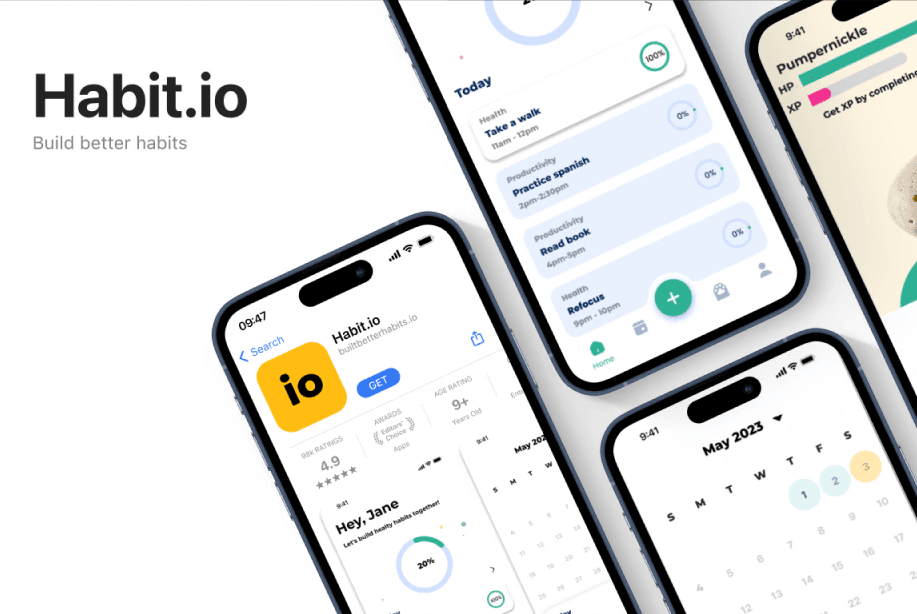
Habit.io is a user-centered habit-building app designed to help individuals create and maintain positive routines. By focusing on simplicity, motivation, and consistency, the product encourages long-term habit formation through clear structure and rewarding interactions.
UX Design & UI Design
01. Project Overview
Habit.io is a self-improvement mobile app designed to help users build and maintain positive habits through simplicity, motivation, and consistency. The goal of the product is to make habit formation feel achievable rather than overwhelming by combining clear structure with engaging, reward-driven interactions.
This project was an exploratory, user-centered design initiative focused on understanding why people struggle to maintain habits and translating those insights into a lightweight, motivating experience.
Role: UI/UX Designer
Industry: Self-Improvement / Productivity
Timeline: In progress
Platform: Mobile App
Tools: Figma, Userberry
02. The Problem
Many habit-tracking apps fail not because of missing features, but because they introduce too much complexity too quickly. Users often start with strong motivation but struggle to maintain consistency once the novelty wears off.
Key challenges identified:
Difficulty sustaining long-term engagement
Motivation dropping after initial use
Overwhelming interfaces that discourage daily interaction
Lack of meaningful accountability without feeling punitive
The core problem was not tracking habits — it was helping users stay consistent without adding pressure or friction.
03. Design Process & Approach
The design process focused on understanding real behavioral patterns around habit formation and translating them into an experience that feels supportive, rewarding, and easy to return to.
Discovery & Research
Initial research revealed that users struggle with habit consistency due to forgetfulness, loss of motivation, and discouragement after missed days. Many existing habit apps felt rigid or punitive, creating pressure rather than support.
Competitive analysis showed that while many apps offered robust tracking features, few addressed emotional engagement or reduced cognitive load.
Design Principles
Based on these insights, the design centered on:
Reducing cognitive load through simplicity and clear structure
Encouraging consistency without guilt or punishment
Making progress feel visible, positive, and achievable
Design Execution
Key design decisions included:
A streamlined habit setup flow to reduce onboarding friction
A calm, minimal interface to avoid overwhelming users
Gamified elements (streaks, badges, progress indicators) designed to motivate without distraction
Low-fidelity wireframes validated core flows before transitioning into high-fidelity designs to refine interaction details and visual tone.
Testing & Iteration
Insights from testing led to refinements such as:
Simplifying navigation paths
Adding subtle visual cues to support task completion
Adjusting reward timing to feel encouraging rather than intrusive
Design iterations focused on removing friction points and reinforcing behaviors that support long-term habit formation.


04. Solution & Outcome
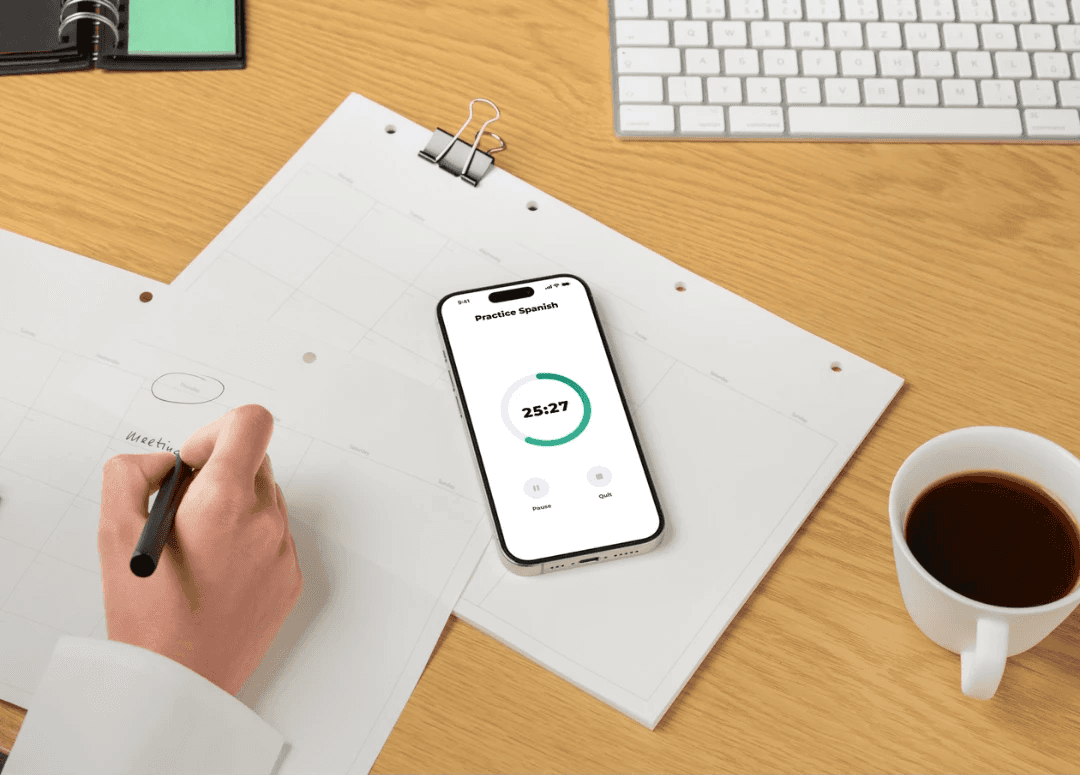
The final concept for Habit.io presents a habit-tracking experience that feels approachable, motivating, and easy to maintain. By focusing on simplicity and positive reinforcement, the app supports users in building consistency without guilt or pressure.
Result
Users felt more motivated to complete habits consistently
The experience felt intuitive and low-effort to return to daily
Gamified elements increased engagement without overwhelming users
Progress visualization reinforced a sense of accomplishment
Habit.io demonstrates how thoughtful UX design can transform habit tracking from a chore into a supportive daily ritual.
Future Considerations
Future iterations of Habit.io could expand on social accountability and personalization, including:
Community or shared habit features
Customizable reminders based on user routines
Expanded progress insights to support long-term goal setting
Reflection
This project reinforced the importance of designing for behavior, not just functionality. Habit.io highlights how reducing cognitive load and prioritizing emotional engagement can significantly improve consistency and user retention in habit-building products.